
When nu metal spread from the United States to the rest of the world like a viral infection, Chile caught it fast. Not just because it was fashionable, but because the country was already a perfect Petri dish for the genre’s core ingredients: metal, hip-hop, and social discontent.
After 17 years of dictatorship, Chile in the ’90s was home to one of the first generations of young people to grow up after the return to democracy. They heard firsthand accounts from parents and relatives who had lived through the previous era, while coming of age in a country still shaped by its consequences. That gave Chilean nu metal a local identity of its own, one that would eventually become known as aggrometal.
So, since Sept. 18 is the centerpiece of Chile’s Fiestas Patrias — commemorating the First Government Junta of 1810, even though independence itself was proclaimed on Feb. 12, 1818; don’t bring this up with a Chilean unless you have a couple of hours to discuss Latin American history — The Nu-Metal Agenda presents the essential aggrometal bands, in alphabetical order so you don’t think we have a favorite. The writer does. It’s Sangre Aborigen.
2X
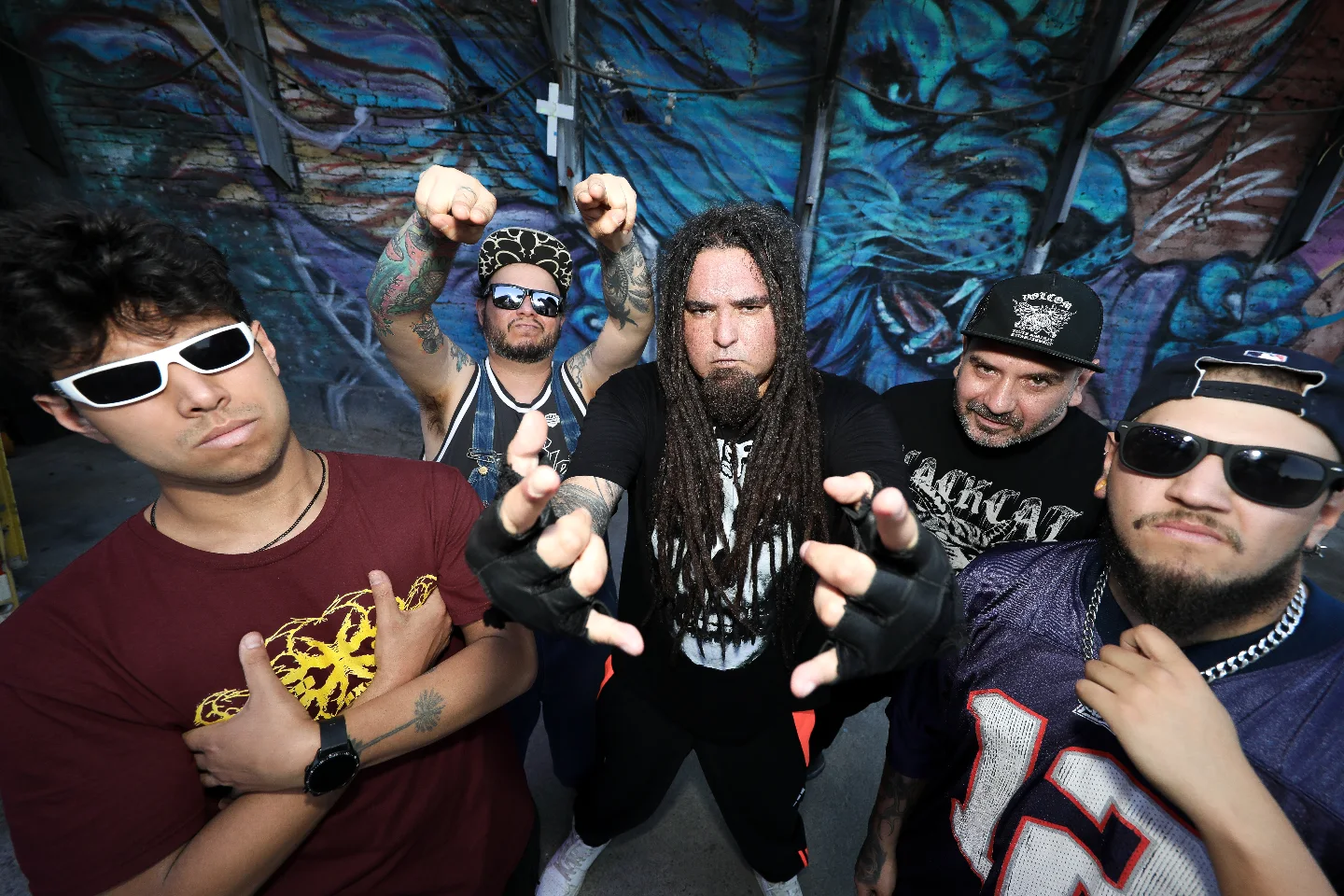
Santiago, 1994. 2X began as a hip-hop project led by Álex de la Fuente at Liceo de Aplicación before gradually adding musicians and metal instrumentation, becoming one of the pillars of Chilean rap metal. Pateando Cráneos arrived in 2000 through Big Sur; “La Fuerza Policial” and “A Romper la Calma” received radio play, while the former also got a music video directed by Mauricio Rudolphy. They became Aggrofest regulars and helped popularize the word “aggro” within the Chilean scene.
They are one of the clearest examples of aggrometal’s political side: rap metal, post-dictatorship reality, police abuse, and unmistakably Chilean language. Rockaxis has also highlighted how Pateando Cráneos addressed Mapuche issues on songs such as “Nehuén.”
Sounds like: Rage Against the Machine, Cypress Hill’s Skull & Bones, and Limp Bizkit’s The Unquestionable Truth (Part 1) — all mixed with Mapuche instrumentation.
Where to find them: Spotify
Essential track: “La Fuerza Policial”
aNeurisma
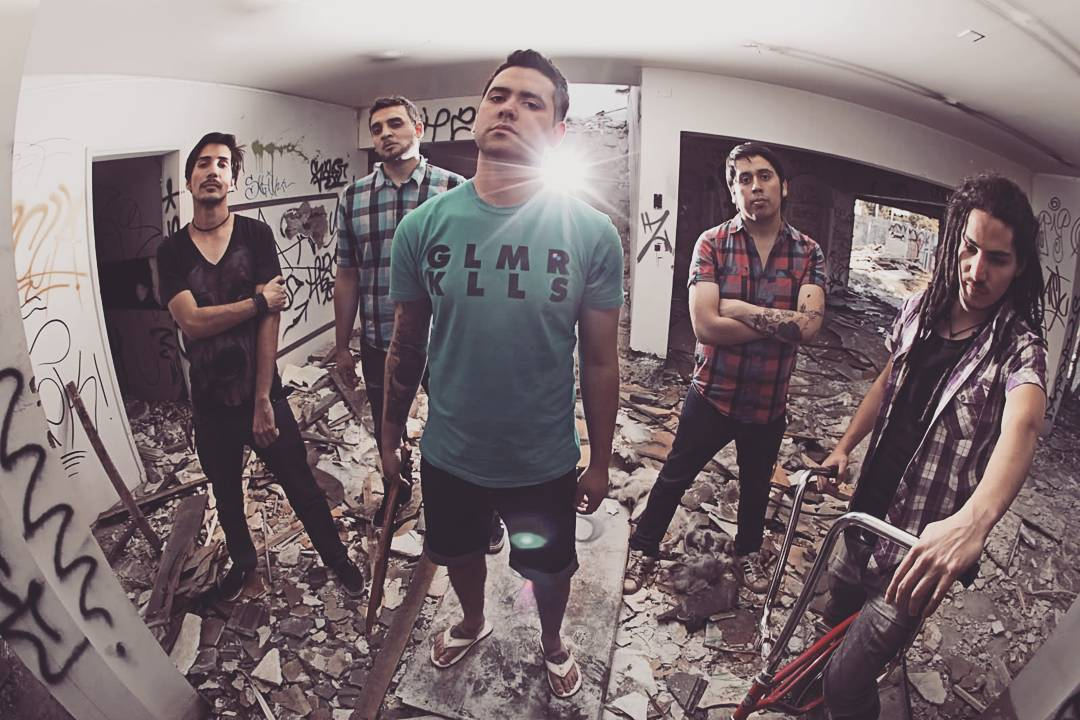
Ñuñoa, Santiago, 2001. aNeurisma were born directly out of the early-2000s nu metal/hardcore circuit. Their self-titled 2002 demo racked up a significant number of downloads and led Rekiem guitarist Julián Durney to invite them to the second Aggrofest, where they shared the bill with Rekiem, Rey Chocolate, and Sangre Aborigen. Their album Síntomas arrived in 2004 through BTS!! Discos, a label that heavily championed the local aggrometal scene.
aNeurisma represent what some consider aggrometal’s second generation, when the scene already had a circuit, festivals, and labels helping hold it together. They are also one of the clearest examples of what we might call the “36 Crazyfists effect”: moving from nu metal into metalcore or post-hardcore in only a few releases.
Sounds like: Coal Chamber, Motograter, and, in later years, 36 Crazyfists.
Where to find them: Spotify
Essential track: “Heridas”
Audiopsicótica
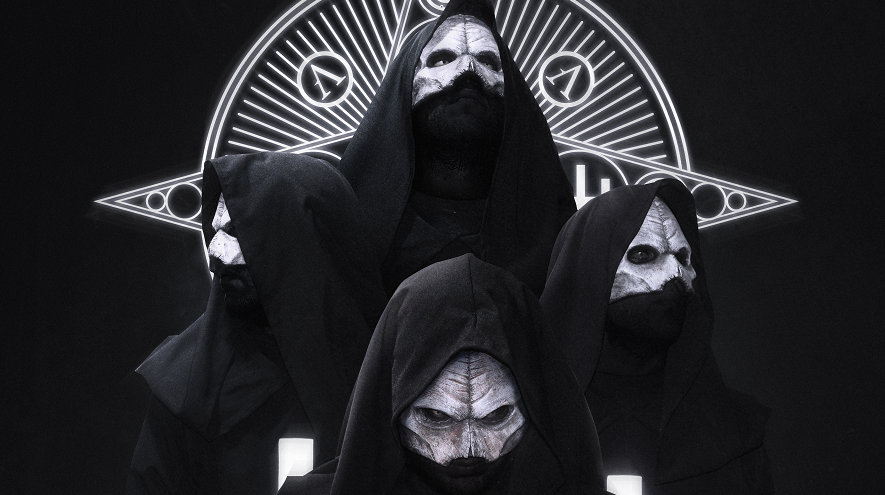
Santiago, 2000. Audiopsicótica formed by combining different extremes of metal with a deliberately unsettling stage presence. They released the EP Psicótica in 2003 and their first full-length, Illuminati, in 2005. Francisco Cruzat — remember that name, because it will show up again — was a founding vocalist, while musicians such as Ricardo Contador connected the band directly to other projects in the circuit.
They show one of aggrometal’s darkest and most extreme sides, proving that the label could also encompass bands drifting toward death and groove metal. They even have their own name for it: “Estrés Metal,” or “Stress Metal.” Their clothing and masks make the Slipknot comparisons almost inevitable.
Sounds like: Slipknot minus the extra percussion, plus satanic rhetoric and the crime segment of the evening news.
Where to find them: Spotify
Essential track: “Asalto”
Dawan
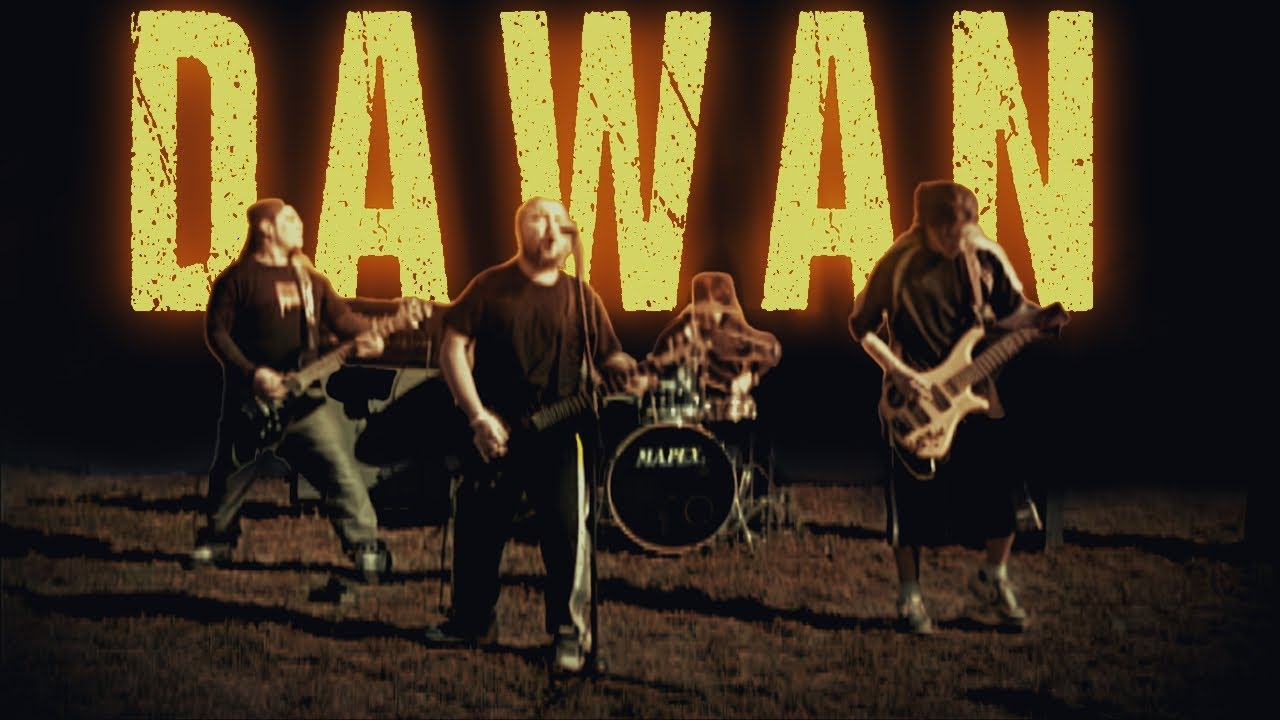
Maipú, Santiago. Dawan’s own history says its members were believers, although they did not necessarily define themselves as a “Christian band.” Their name was phonetically derived from “The One,” referring to Jesus. They released their first work, 23.58:1, in 2001.
Dawan are an unusual branch of aggrometal: Christian spirituality mixed with Latin American metal, emerging from Maipú and outside the movement’s most visible names.
Sounds like: Basically all of Soulfly’s 3, minus the reggae detours.
Where to find them: Spotify
Essential track: “Éxodo”
Dracma
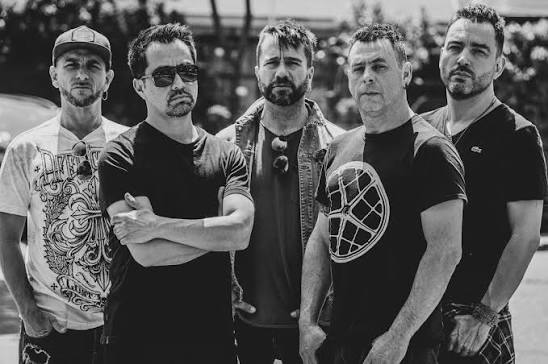
Santiago, 1996. Dracma formed around brothers Felo and Cote Foncea, formerly of De Kiruza, alongside musicians including Gamal Eltit and Leo Araya. Their only album from that original era, Dracma, arrived in 1999 through Surco/Universal with support from Gustavo Santaolalla.
Cote Foncea has recalled that while making the record they were absorbing Rage Against the Machine, Deftones, and Korn, alongside Soundgarden, Living Colour, Eleven, and jazz. They later opened for Korn; the American band’s camp had originally taken notice after seeing “Hijo de Puta.”
The Korn influence is obvious in the percussive slap-bass approach that evokes Fieldy, but it is applied to lyrics dissecting Chilean society. Dracma may be the best demonstration of the formula: American nu metal vocabulary, Chilean subject matter.
Sounds like: Korn’s “Wicked,” except it somehow lasts for an entire album.
Where to find them: Spotify
Essential track: “Chilenada”
Im28z
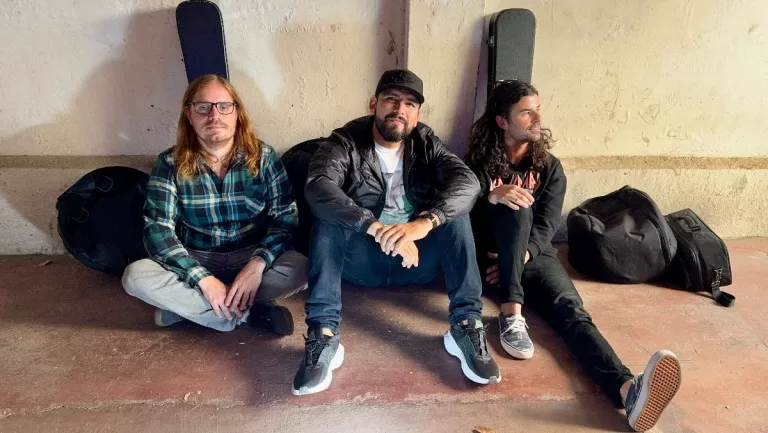
Viña del Mar, 1997. Im28z — pronounced “iemeveintiochozeta” in Spanish — formed when four schoolmates began mixing rock, hip-hop, metal, and melodic vocals. They acknowledge playing both Aggrofest and Back to School, while oral histories of the scene place them at the very first Aggrofest.
Vocalist Coke Vega has recalled that they initially covered Rage Against the Machine, Incubus, Tool, and Deftones before quickly abandoning covers to write their own material. They have remained active ever since, continuing to release records while gradually expanding beyond the sound that first placed them in the scene. Im28z are also proof that aggrometal was never exclusively a Santiago phenomenon.
Sounds like: Deftones and Linkin Park, but in Chilean Spanish and with more experimental songwriting.
Where to find them: Spotify
Essential track: “Carros de Fuego”
Lupus

Lupus made their live debut at Aggrofest 2000. Their first EP, Demo Negro (2002), was recorded at Pulso, one of the studios tied to the scene; Rockaxis identifies particularly clear influences from Coal Chamber and early Korn.
They are still active in 2026, performing with longtime frontman Ramón “Moncho” Rubilar, one of aggrometal’s original “poster boys.”
Alongside Dracma, Lupus are one of the easiest ways to hear Korn’s imprint on the scene, especially in the bass and groove, although they push that influence into a darker space closer to Coal Chamber.
Sounds like: If Korn and Coal Chamber had a baby and raised it in Santiago.
Where to find them: Spotify
Essential track: “Voces”
Nozión
Puente Alto/La Florida, Santiago, 2000. Nozión formed with musicians who had come through Audiopsicótica and Weiza, developing a sound between hardcore and nu metal. Their main document from that era, Tiempos de Revoluzión, arrived in 2007.
Nozión let us follow aggrometal’s family tree and show that the scene did not suddenly disappear after its 2000-04 peak. Members came from earlier bands and kept developing that language after nu metal had already lost its commercial centrality internationally.
Sounds like: Angrier 36 Crazyfists (Bitterness the Star era), less-angry Hatebreed.
Where to find them: YouTube — thanks to user BZK’s preservation efforts
Essential track: “Basta!”
Rama
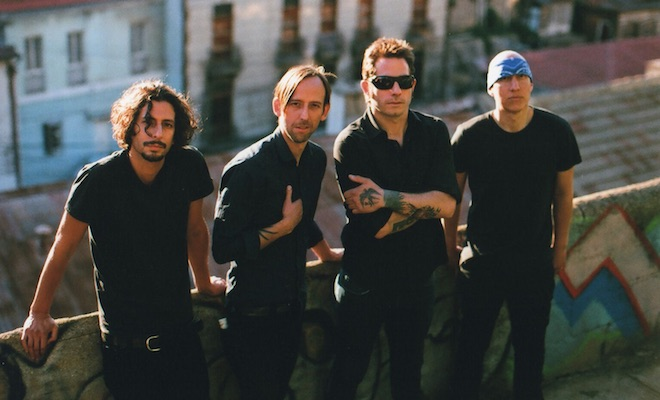
Santiago, 1996/97. Rama began rehearsing at Taller Sol in 1997 and became one of the longest-running Chilean bands to adopt nu metal around the turn of the millennium. Their independent debut, Disco Amarillo (1999), established “Despegar” as one of their first recognizable songs.
Daniel Campos has acknowledged that the debut went directly for the aggro sound, although Rama were already incorporating more melody and harmony than a formula built only around low-tuned riffs. Rockaxis hears a particularly strong influence from Adrenaline-era Deftones.
Rama answer a hypothetical question with something real: What if Deftones were Chilean? They sit on the Deftones side of aggrometal — heavy, introspective, and melodic — while also showing how some bands used the movement as a starting point before consciously escaping its boundaries.
Sounds like: Deftones (duh), later-era Karnivool, and maybe a little Midwest emo.
Where to find them: Spotify
Essential track: “Despegar”
Raza
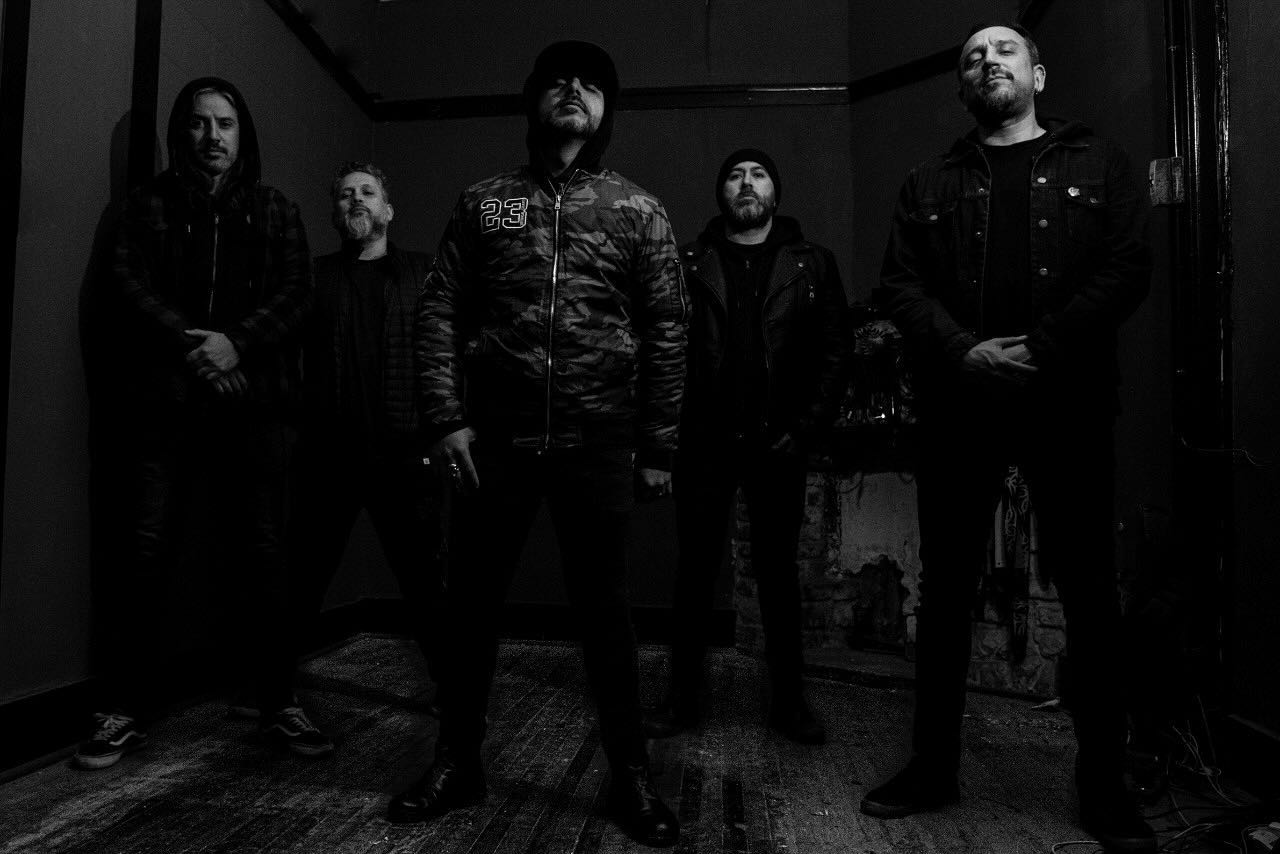
Raza trace their activity back to 1997, defining their music as metal/hardcore/rock with “Latin ethnic groove influences.” After the EP Furia Popular (1998), they released Alóctono in 2003, combining low-tuned guitars and aggressive vocals with Mapuche tradition and melancholy. Rockaxis considers it one of the essential records for understanding what made Chilean aggrometal distinct.
They may be the most literal example of a Chilean band taking the language of nu metal and making it local through Mapuche instrumentation and references instead of simply reproducing American influences. “Asesino” even breaks out a trutruca — a traditional Mapuche wind instrument — during its breakdown. Starting with Inercia, they leaned much harder into metalcore and largely left those Mapuche influences behind, a shift that divided parts of their audience.
Sounds like: Soulfly, but swap the tribal elements for Mapuche instrumentation (early records); mid-2000s metalcore with a Chilean passport (later work).
Where to find them: Spotify
Essential track: “Asesino” — listen for the trutruca breakdown at 1:49.
Rekiem
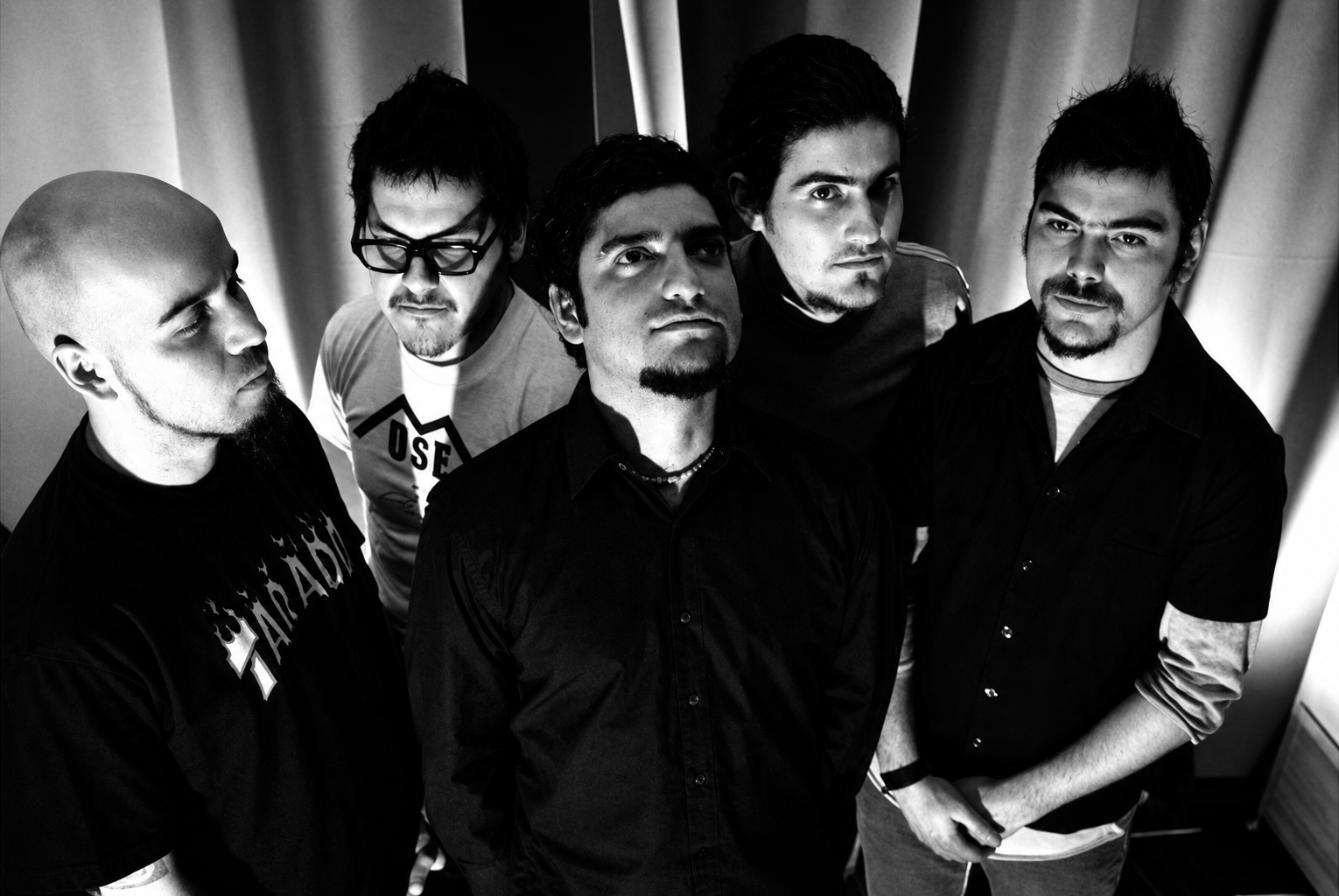
Rekiem’s professional history goes back to roughly 1994, moving from influences such as Pantera, Helmet, and Corrosion of Conformity toward the sound that crystallized on Apgar:0, released Jan. 15, 2001. Rockaxis has retrospectively described it as the most important album of the movement.
“Traga” became their first major single, received a music video directed by Ricardo Olguín, and earned substantial radio and television exposure; the video even topped Los 10 Más Pedidos on MTV in part of the Andean region.
Rekiem represent aggrometal’s emotional and historical center. “Traga” brings together Korn/Deftones influence, post-dictatorship frustration, rejection of nationalism, and an intensity that helps explain why Apgar:0 became generational. We have already written about why, 25 years later, the album remains one of the defining works of the genre.
After the death of guitarist and founder Julián Durney, Rekiem shifted their approach and sound, with Zero initially meeting resistance from some longtime fans. Decades later, that divide has effectively produced two legacy projects with separate Spotify profiles: Rekiem (Clásico) and Rekiem (Zappa), the latter led by former vocalist Francisco “Pancho Zappa” Silva as a current project keeping that chapter of the band’s legacy alive.
Sounds like: Korn, but replace the childhood trauma with the trauma of growing up in a country fresh out of a dictatorship.
Where to find them:
Spotify — Apgar:0 / Rekiem (Clásico)
Spotify — Zero / Rekiem (Zappa)
Essential track: “Traga”
Rey Chocolate
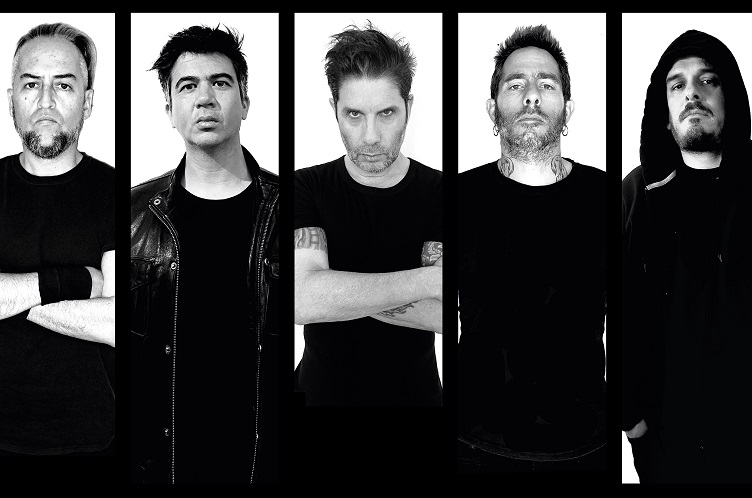
Santiago, 1998. Rey Chocolate were one of the central names in Chilean nu-metal and, together with Rekiem, organized Aggrofest, which became one of the scene’s main gathering points. They also opened for Slipknot in Santiago. Their history also reflects how interconnected the aggrometal circuit was: Francisco Cruzat, originally the vocalist of Audiopsicótica, would later join Rey Chocolate on bass, linking two very different branches of the same scene.
If Rekiem represent one of the movement’s creative centers, Rey Chocolate also represent its social infrastructure: organizing shows, bringing bands together, and building community. “Nueva Especie” captures that first era better than their later, more developed material. Spoiler: it is the essential track below.
Sounds like: Coal Chamber demos plus Static-X demos (early years); Chimaira later on.
Where to find them: Spotify
Essential track: “Nueva Especie”
Ribo
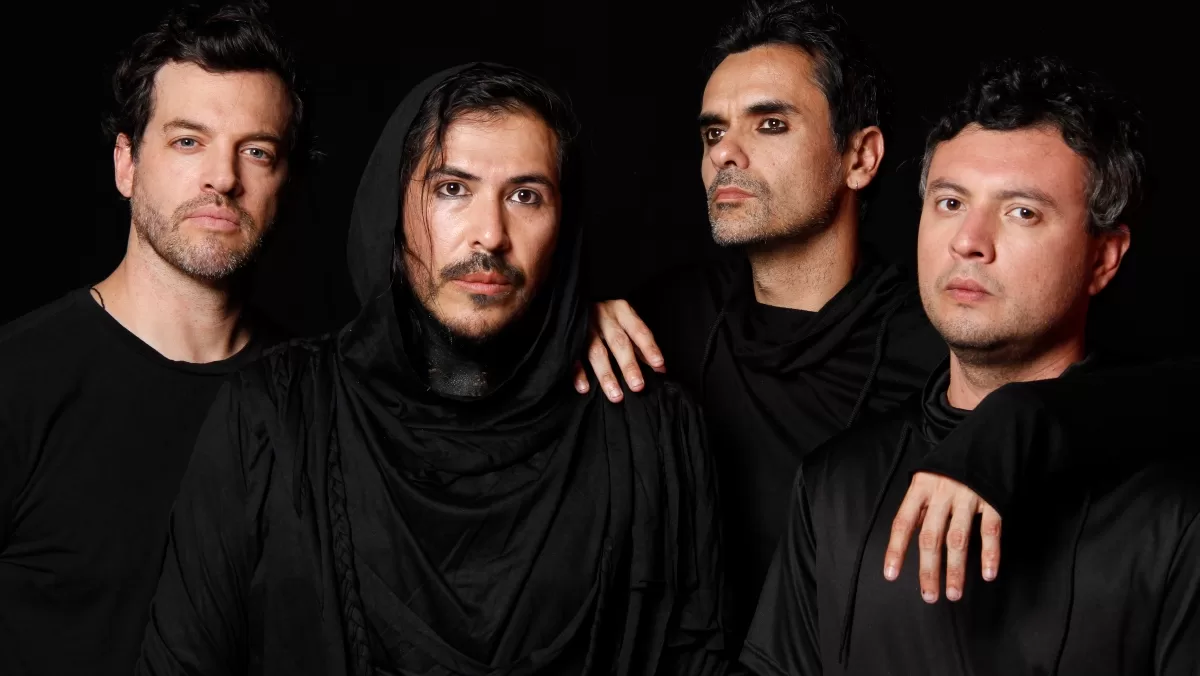
Viña del Mar, 2000/01. Ribo began by blending pop rock and trip-hop elements with nu metal; their debut, Equilibrio, arrived in 2003.
Alongside Im28z, Ribo are proof that not all aggro came from Santiago. Their debut had bangers such as “Dos” and “De Pie,” with videos circulating on MTV Latin America. And one small detail: this is the band where Ra Díaz played bass — KORN’S CURRENT TOURING BASSIST. ¡VIVA CHILE!
Sounds like: Angrier Deftones, less-angry Deftones (depends on the year). Both Deftones are Chilean.
Where to find them: Spotify
Essential track: “Dos”
Sangre Aborigen
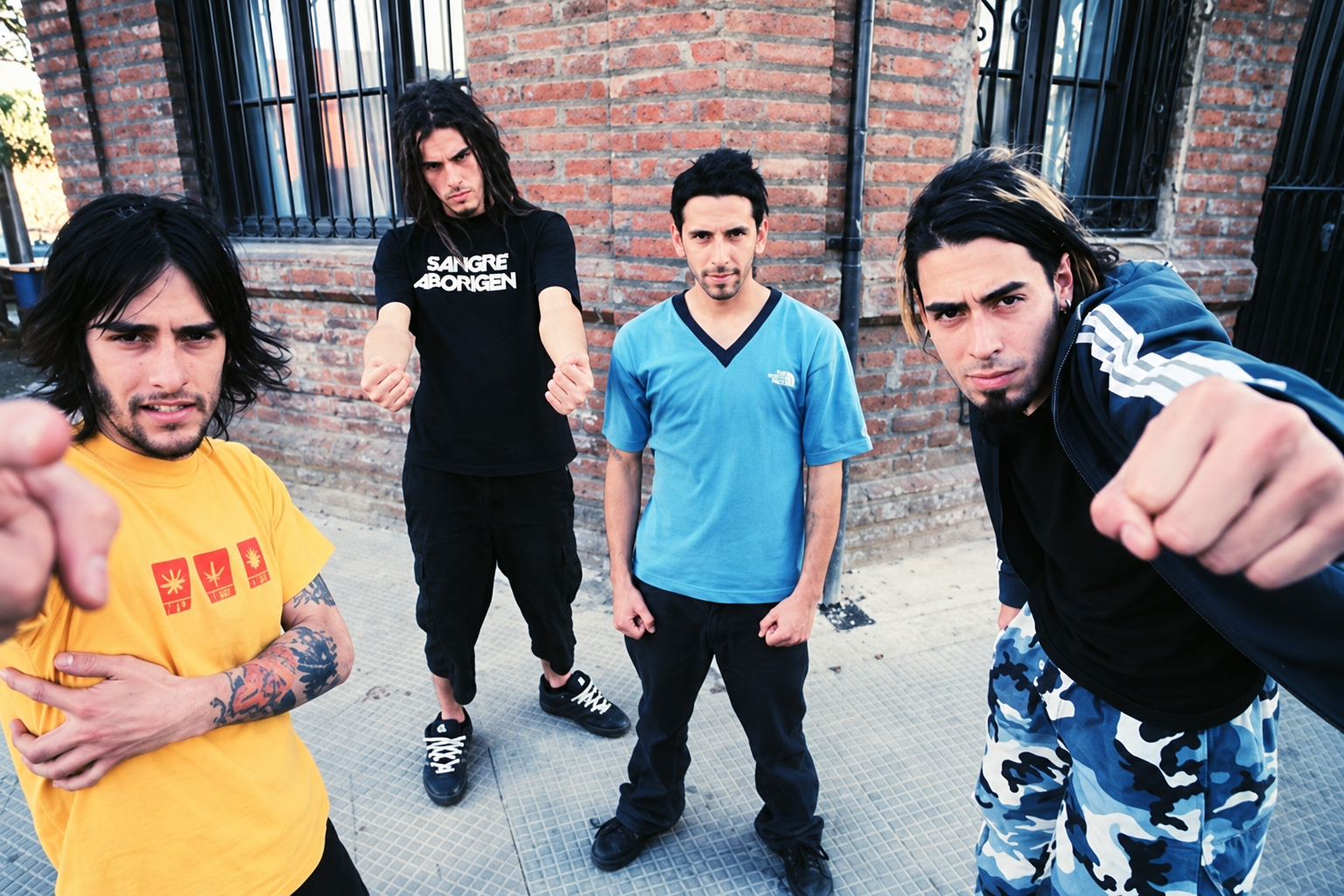
The Embrace of Maipú, but aggrometal. Look it up. Sangre Aborigen formed in Argentina in 2001, began crossing into Chile early on, and eventually settled in Santiago. Surviving documentation from the era records appearances at Nu Metal Fest Internacional, Family Values Stgo. Grita 2002, AggroFest 2002, and Nu Metal Attack, among others.
After the independent EP Ampliar Límites!!!, their self-titled professional album arrived in 2004 through BTS!! Discos with nine crushing tracks. They then entered an experimental phase with 2007’s AntiTodo, an album that even folded in ska influences. Their final release was Kalaverizmo in 2008. A serious traffic accident later affected vocalist José Ruggeri’s voice and put the band’s activity on hold. In late 2025, Ruggeri resurfaced on social media showing progress as Francisco Cruzat helped him rebuild his vocal technique. Will they return? We are watching.
Sounds like: Early Soulfly and Ill Niño, but in Argentine Spanish with a Mendoza accent.
Where to find them:
Spotify — self-titled and Kalaverizmo
YouTube — Ampliar Límites!!!
YouTube — AntiTodo
Essential track: “Sudamérika”
Sinkarma
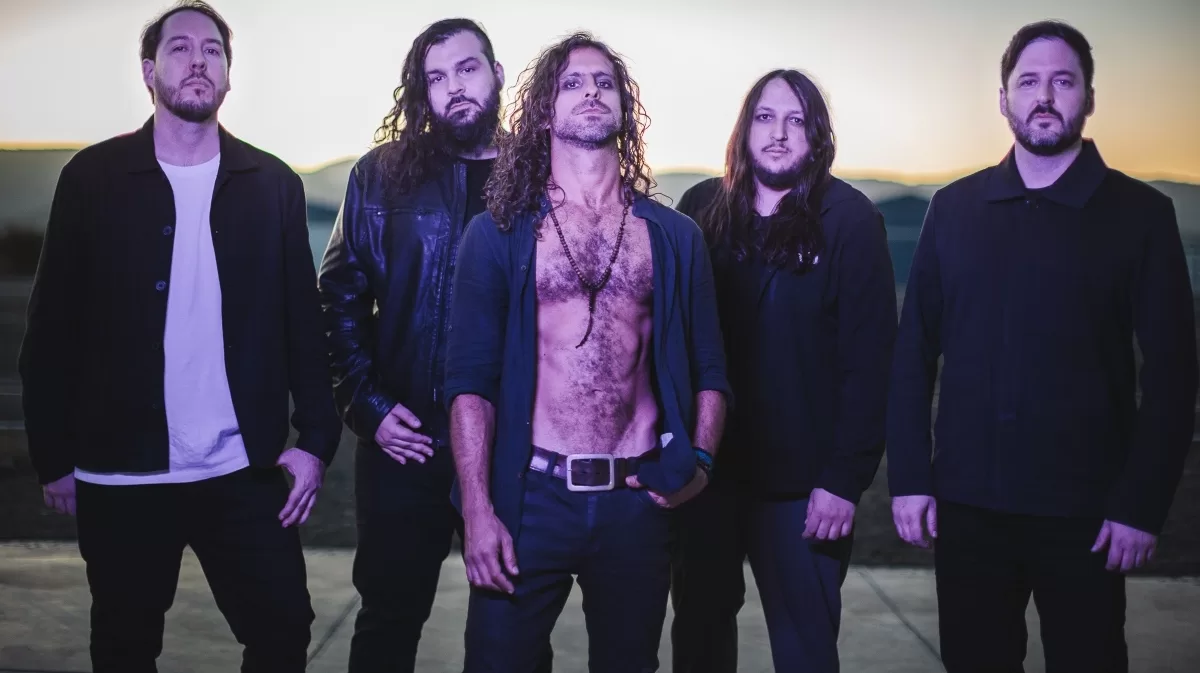
Arica, early 2000s. Sinkarma are our geographically most extreme case, emerging in northern Chile and developing there before expanding nationally. In 2024, they opened for P.O.D. in Santiago, a band their members cite as a formative influence.
Sinkarma show how far aggrometal reached, all the way to Arica, hundreds of miles north of the Santiago-Valparaíso axis. After a lineup restructuring, their first professional release, Rahez, reworked demo-era songs that used to circulate as MP3s around the Chilean internet whenever you searched “aggrometal” on peer-to-peer software. They are still active in 2026.
Sounds like: What if Linkin Park came from the driest non-polar desert on Earth? No rapping, though.
Where to find them: Spotify
Essential track: “Al Margen del Abismo”
Total Mosh
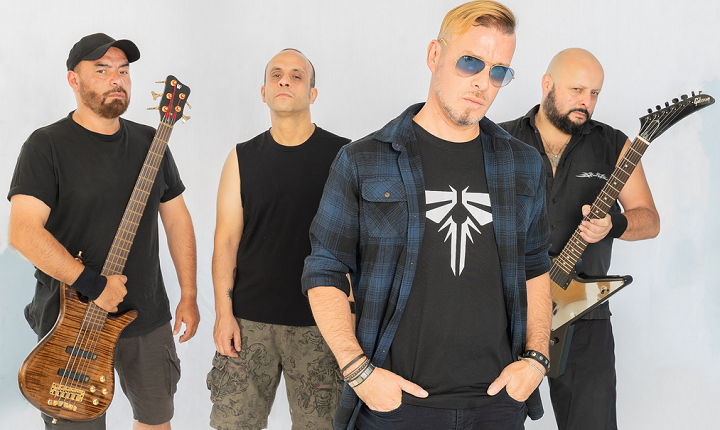
Total Mosh formed in Santiago in the mid-’90s and predate the moment when “aggro” stabilized as a scene name. Their debut, Violencia Necesaria (1997), came more directly from hardcore, industrial, and crossover; in 1998, they opened for Pantera in Chile.
Total Mosh show aggrometal’s prehistory transforming alongside the scene. Some of its pioneers did not begin as nu metal bands; they arrived there from other corners of Chilean heavy music. They remained active for years before releasing their most recent single, “Libre,” in 2021, marking a slow return to action.
Alongside Rekiem, Total Mosh appeared on the soundtrack to the Chilean vampire movie Sangre Eterna, which also helped define certain looks associated with aggro as a subculture.
Sounds like: Pantera after a night at an industrial club in Santiago (early years); way heavier Orgy later on.
Where to find them: Spotify
Essential track: “Sobre mi Sangre”
Weiza

Santiago, 1999/2000. Weiza formed by crossing hip-hop and funk with heavy rock, later bringing in soul and Latin American rhythms. Their first full-length, Buscando Metas, was distributed by BTS!! Discos.
Weiza are another example of the scene evolving beyond its original boundaries. Their earliest work leaned especially hard into the “rap” part of rap metal before they began incorporating more styles, expanding the sound while remaining unmistakably themselves.
Sounds like: Factory 81, Beastie Boys, and 3rd Strike thrown into a blender. The blender is a Latino teenager.
Where to find them: Spotify
Essential track: “Buscando Metas”
Seventeen bands later, one thing should be pretty clear: aggrometal was never simply a bunch of Chilean musicians trying to sound like Korn, Deftones, Limp Bizkit, or Soulfly. Those influences were there — sometimes they were impossible to hide — but an entire generation filtered them through its own reality.
The result talked about police abuse, inequality, Latin American identity, Indigenous peoples, religion, and the scars left by a recently ended dictatorship. It put trutrucas next to seven-string guitars, carried nu metal from Santiago to Viña del Mar and Arica, built festivals, labels, and its own circuits, and eventually even produced a future touring bassist for Korn. At some point, calling all of that simply “Chilean nu metal” stops being enough.
That is aggrometal. And this list barely scratches the surface: there are lost demos, bands that only managed to record a handful of songs, MP3s that survived thanks to Soulseek, Kazaa, and YouTube users more responsible than any national archive, and enough forgotten projects for an entire second starter pack.
So this Sept. 18, throw an empanada in the oven, pour yourself something appropriate, and remember one important Chilean contribution to world culture: apparently, if you give Chile nu metal for long enough, somebody will eventually add a trutruca.